Most sites do not have one single issue. It tends to be a mix of timing, machinery, and demand peaks that push costs up. One machine starting early can change everything. So can a shift pattern or a cold morning.
Solar can help in the right situation, but not always in the way people expect.
Large equipment starting at the same time can create sharp spikes. That is often where costs climb fastest.
If most of your energy is used after dark, solar alone may not cover what you need.
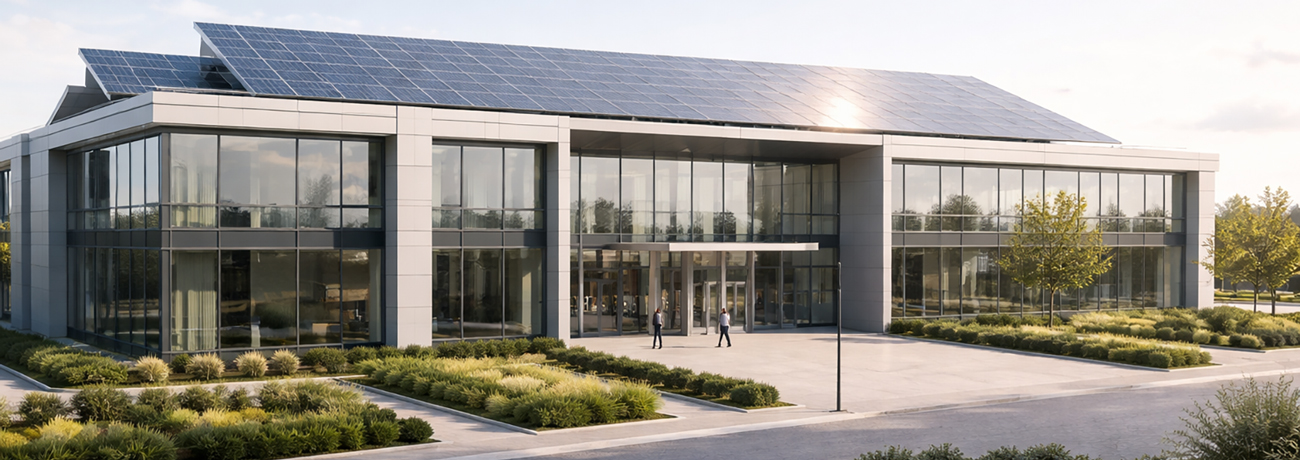
Roof shape, access and structure all affect what can realistically be installed.
Solar works best when power is used during daylight hours. Warehouses, production lines and offices can often benefit, but the detail matters. A site running steadily from early morning through to late afternoon will usually make better use of what is generated than one that peaks late in the evening or overnight.
Roof space, layout and how different areas of the building draw power all play a part as well. Two sites that look similar from the outside can behave very differently once you look at how electricity is actually used across the day.
In some cases, battery storage or other systems may be more important than the panels themselves. Where demand falls outside daylight hours, or where peaks need to be managed, combining systems can make more sense than relying on generation alone.
For a broader look at how this fits together in practice, commercial and industrial energy solutions in the UK are covered in more detail separately.
A proper approach looks at how your site actually runs. Not just total usage, but when and how it happens.
That usually starts with a simple review, followed by a more detailed survey if needed.